The post 5 Common Home EV Charger Installation Mistakes To Avoid appeared first on ProConnect Electric.
]]>Electric Vehicles (EVs) are transforming our roads, offering a cleaner, more efficient driving experience. As EV ownership grows, many are opting for a Level 2 EV charger at home. However, it’s important to be aware of several pitfalls during the installation process.
Before we dive in let’s understand the difference between a Level 1, 2, and 3 chargers:
Level 1 Charger
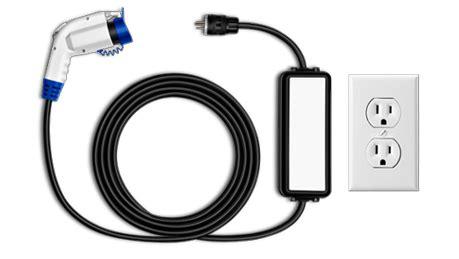
Level 1 Charger Specs
Use: Home use
Charging speed: ~5mi/hr
Cost: ~$500
Level 2 Charger
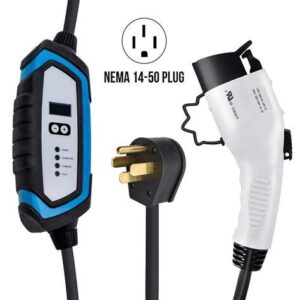
Level 2 Charger Specs
Use: Home/Commercial
Charging speed: ~60mi/hr
Cost: ~$1,500
Level 3 Charger
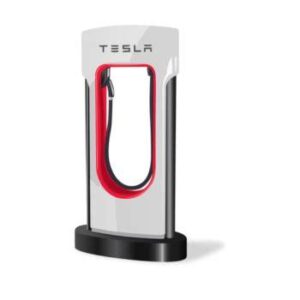
Level 3 Charger Specs
Use: Commercial
Charging speed: ~250mi/hr
Cost: ~$75,000
Mistake 1: Disregarding Community Restrictions on Charger Installation
In the United States, while legal provisions are increasingly supportive of EVs, you must verify installation permissions in shared living spaces like apartments or condos. Consult with property managers or homeowner associations before proceeding, as many communities have specific rules or outright prohibitions on charger installations.
When planning to install an EV charger at home it’s crucial to navigate the often-overlooked terrain of community restrictions and guidelines. Here’s a more detailed look at what this entails:
- Understanding HOA Rules and Regulations:
- Homeowners’ Associations (HOAs) and their Power: In many residential communities, HOAs have specific rules regarding modifications to properties, including the installation of EV chargers. These rules can range from outright prohibitions to specific guidelines on how and where chargers can be installed.
- Navigating the Approval Process: Gaining approval from your HOA can be a multi-step process. It often involves presenting a detailed plan of the installation, including the type of charger, location, and how it fits into the aesthetic of the community. Be prepared for potential pushback and have alternatives ready.
- Legal and Zoning Restrictions:
- Local Laws and Regulations: Some localities have specific laws or zoning restrictions related to the installation of EV chargers. This could include limitations on where chargers can be placed or requirements for specific types of equipment.
- Permit Requirements: Even if your HOA approves, you might still need to obtain permits from your local government. This ensures that the installation complies with all local building and electrical codes.
While installing an EV charger at home offers numerous benefits, it requires careful consideration of community restrictions and legal requirements. Navigating these aspects effectively is key to a successful and compliant installation.
Mistake 2: Overlooking Your Home’s Electrical Capacity for an EV Charger
Level 2 EV chargers require a dedicated electrical setup that many American homes aren’t equipped to handle. The issue often lies in the electrical panel being already at capacity. Legally, an electrician can’t add a circuit to an overloaded system or a panel without the necessary space for a new 240 V circuit. Many homeowners mistakenly believe that empty slots in the panel automatically mean availability for new circuits. Before purchasing an EV, it’s recommended to have an electrician evaluate your home’s electrical system for the feasibility of adding a high-amperage 240-volt circuit and provide a cost estimate for the hardwire installation or for setting up a new NEMA 14-50 outlet.
- Understanding Your Home’s Electrical Load Capacity:
- Existing Load vs. Additional Load: It’s vital to understand the current electrical load of your home and how much additional load it can safely handle. This involves calculating the total amperage drawn by your existing appliances and comparing it with your panel’s maximum capacity.
- Future Proofing: When assessing your home’s electrical capacity, consider potential future needs as well. If you plan to add more high-power appliances or another EV charger, factor this into your calculations.
- Assessing the Panel’s Physical Space:
- Space for New Circuit Breakers: Empty slots in your panel don’t necessarily mean it can accommodate more circuits. The physical space for new circuit breakers is crucial, but it’s also about the panel’s ability to handle the overall electrical demand.
- Upgrade Possibilities: If your current panel is at or near capacity, explore the possibility and cost of upgrading to a larger panel. This could provide a long-term solution not just for your EV charger but for any future electrical enhancements.
- Utility Service: You man need to upgrade the electrical service provided from your utility company depending on how it was originally wired. Your utility company can provide a “spot check”, typically free of charge.
- The Role of a Professional Electrician:
- Expert Evaluation: Have a licensed electrician conduct a thorough assessment of your home’s electrical system. This should include an inspection of your panel, wiring, and overall system to determine the feasibility of adding a 240-volt circuit.
- Cost and Installation Estimates: A professional can provide a detailed cost estimate, covering not just the installation of the new circuit, but also any necessary upgrades to your home’s electrical system. This helps in budgeting and planning for the installation.
In addition to these considerations, it’s important to understand the specific requirements of the charger you plan to install. Different Level 2 chargers may have varying amperage demands, which can impact the suitability of your home’s electrical system. Also, local electrical codes and standards should be considered, as they might have specific requirements for EV charger installations. Remember, the goal is to ensure a safe and efficient charging setup that aligns with your home’s electrical capabilities and complies with all relevant regulations. Taking these steps will help avoid potential electrical hazards and ensure that your home is ready for the demands of an EV charger.
Mistake 3: Unprofessional Charger Installation
Installing a 240-volt circuit is a complex task that requires adherence to the evolving electrical code. While a handyman or acquaintance might be able to install the charger, this could lead to complications during property resale or even invalidate your home insurance in the event of fire or electrical accidents. An EV charger is one of the most power-intensive devices in a home, necessitating professional installation.
- Safety Concerns:
- Risk of Electrical Hazards: Incorrect installation can result in serious safety hazards, including electrical fires, shocks, or short circuits. These risks are significantly higher with high-power devices like EV chargers.
- Long-term Safety Assurance: A professional installation ensures that all safety protocols are followed, reducing the risk of accidents over the charger’s lifetime.
- Quality and Warranty Considerations:
- Ensuring Quality of Work: Professional installers provide a level of quality and expertise that is difficult to match with DIY installations. This quality assurance can impact the charger’s performance and longevity.
- Maintaining Product Warranties: Some EV charger warranties require professional installation as a condition. DIY installations might void these warranties, potentially leading to additional costs in the future.
- Implications for Insurance and Resale:
- Insurance Policy Compliance: Home insurance policies often have specific clauses about electrical installations. Unprofessional installations can violate these terms, potentially leading to denied claims in case of an accident.
- Impact on Property Resale Value: Properly installed EV chargers can be an asset during property resale, offering added value to potential buyers. Conversely, poorly installed chargers can be a liability, potentially complicating or even hindering the sale process.
The installation of an EV charger is more than just a technical task; it’s an investment in your property and safety. Opting for a professional installer ensures that every aspect of the installation is handled with precision and care, from the initial assessment to the final testing and commissioning of the charger. Furthermore, a professionally installed charger can provide peace of mind, knowing that it operates efficiently, safely, and in compliance with all legal requirements. In the dynamic world of EV technology, where safety and efficiency are paramount, the importance of professional installation cannot be overstated.
Mistake 4: Neglecting Electrical Permits
Installing a new electric circuit for an EV charger requires a permit, which confirm that your installation is up to code. If this step is neglected you may face legal and safety issues as the homeowner so it is important that you hire a licensed electrician. A professional electrician holds the knowledge necessary to obtain the correct permit(s), as well as insurance and liability coverage for your peace of mind. Inspections ensure safety and compliance, offering reassurance to future property buyers. Ensure that you or your electrician obtain the necessary permits before starting the installation. Additional aspects and implications of overlooking permits can include:
- Legal Repercussions:
- Building Code Violations: Skipping the permit process can result in violations of local building codes, which can lead to fines or legal actions. In some cases, you may be required to remove the installation or make costly modifications to comply with codes.
- Impact on Insurance Claims: If an incident occurs related to the EV charger and it was installed without a permit, insurance companies may deny claims. This could leave homeowners facing significant financial burdens.
- Compliance with Local Codes and Regulations:
- Understanding Local Electrical Codes: Electrical codes vary by location and are subject to change. Professional electricians are up-to-date with these codes, ensuring that your installation is compliant.
- Permit and Inspection Requirements: Many municipalities require permits and subsequent inspections for installing electrical circuits. Professionals can navigate these requirements smoothly, ensuring legal compliance.
- Professional Responsibility and Ethics:
- Electrician’s Professional Obligations: Professional electricians are ethically and legally bound to adhere to codes and permit requirements. Hiring a reputable electrician ensures that they will handle the permit process as part of the installation.
- Homeowner’s Due Diligence: As a homeowner, it’s your responsibility to hire a licensed professional.. This includes verifying that the electrician obtains the necessary permits.
Obtaining the necessary permits for an EV charger installation is a critical step that should never be overlooked. It’s a clear demonstration of adherence to legal and safety standards, reflecting responsible homeownership. The permit process, while sometimes perceived as cumbersome, plays a crucial role in safeguarding the integrity and safety of your home’s electrical infrastructure. By prioritizing this step, homeowners can enjoy the benefits of their EV charger with confidence, knowing they have taken the right measures to ensure a safe, legal, and value-adding installation.
Mistake 5: Ignoring the Ground Fault Circuit Interrupter (GFCI) Requirement
A crucial element in EV charging setups is the GFCI protector, which helps prevent electrocution. Plugging an EV charger into a GFCI-protected outlet without proper compatibility can cause frequent tripping or malfunctions. It’s often found that old garage outlets lack a GFCI-protected circuit breaker. The best practice is to have the charger hard-wired by a licensed electrician, ensuring it’s correctly installed on a dedicated circuit with GFCI protection.
Additional Insights and Considerations:
- Understanding GFCI Functionality:
- Safety Mechanism: GFCI (Ground Fault Circuit Interrupter) devices are designed to protect against electrical shocks by detecting imbalances in the electrical current and quickly shutting off power.
- Importance in Wet Environments: This protection is especially important in areas prone to moisture, like garages, which are common locations for home EV chargers.
- Compatibility Challenges with EV Chargers:
- Sensitivity to GFCI Protection: EV chargers are sensitive to fluctuations in power, which can be more frequent when connected to a GFCI outlet. This sensitivity can lead to the charger tripping the GFCI device, resulting in charging interruptions.
- Ensuring Correct Installation: To mitigate this, it’s important that the EV charger is installed on a circuit with a GFCI breaker specifically designed to handle its load requirements, ensuring consistent and safe operation.
- Risks of Overlooking GFCI Requirements:
- Electrical Safety Hazards: Ignoring the need for GFCI protection can expose homeowners and users to serious risks of electrical shocks, especially in areas where water exposure is possible.
- Potential Damage to Charger and Electrical System: Incompatibility with GFCI can not only lead to frequent tripping but also potentially damage the charger or the home’s electrical system over time.
Integrating GFCI protection in your EV charging setup is a critical aspect that demands careful consideration. It’s not just a compliance issue; it’s a fundamental safety measure. An EV charger, being a high-power device, requires meticulous attention to electrical safety standards. By ensuring your charger is hard-wired with the correct GFCI protection, you’re not only safeguarding against electrical risks but also ensuring a reliable and uninterrupted charging experience. The role of a qualified electrician in this process is indispensable, as they bring the necessary expertise to navigate these complexities and provide a safe, efficient, and code-compliant installation.
Conclusion
Avoiding these common mistakes in home Level 2 EV charger installations is crucial for a safe, efficient, and compliant setup. By engaging a licensed electrician and following all legal and safety protocols, you can ensure a hassle-free installation experience.
At Mobile Illumination, we’re committed to guiding you through every step of this process, ensuring your EV charger installation is a safe, efficient, and future-proof investment. Let us help you power your journey into the world of electric vehicles with unmatched expertise and dedicated service.
The post 5 Common Home EV Charger Installation Mistakes To Avoid appeared first on ProConnect Electric.
]]>The post Commercial Properties and EV Chargers: The Future of Transportation Is Here appeared first on ProConnect Electric.
]]>With legislation mandating that all new cars and light trucks sold in California be zero-emission by 2035, the state is in the vanguard of electric-vehicle adoption nationwide. Sales of electric cars in California reached record levels last year, with 446,961 sold. That figure was up 29% from the previous year. However, sales slowed in the final quarter of 2023, and one significant reason why is the lack of the electric charging network needed to support the growing fleet of EVs on the road.
While figuring out how to provide more chargers may be a headache for public policymakers, for the owners of commercial property, demand for EV charging stations is an opportunity. Commercial landlords of multifamily properties, office properties, and retail centers can leverage this demand to add value to their real estate portfolio and attract buyers, renters, and patrons. Alternatively, those who are slow to recognize the need may find themselves losing out to more proactive competitors.
Why EV Chargers Are the New Must-Have
Car-based amenities are nothing new to the world of commercial real estate. Who hasn’t considered whether it’s easier to drive an extra mile or two to a shopping center with a generously sized parking lot rather than having to circle the too-small lot at a nearby strip mall—and decided the trip was worth it? Or celebrated over finding an apartment or condo with two dedicated side-by-side parking spots in a secured garage under the building? For owners of EVs, the availability of chargers is the new must-have that is inevitably influencing where they buy, rent, and shop.
Unlike filling up with gas, recharging an EV is a task that takes around 30 minutes at minimum (and that’s at a Level 3 charger; lower levels take longer). This means EV owners need to plan ahead for where and when they are going to charge up. Residential property owners can attract EV-owning tenants or purchasers by adding Level 2 chargers, which allow an EV to charge to 80% from empty in about 4 to 10 hours (up to 8 times faster than someone using Level 1 equipment with regular household voltage). This allows tenants to easily recharge overnight. By adding similar charging stations, owners of office buildings can attract tenants whose employees can charge their vehicles during the workday.
5 Common Home EV Charger Installation Mistakes To Avoid
Retail properties are better served by Level 3 chargers, which require higher voltage but considerably shorten charging time. EV owners who know they can charge their car while they’re running errands or enjoying a meal out will increasingly be factoring the availability of convenient chargers into their calculations of where to shop. While these have the steepest up-front cost to install, drivers are willing to pay more for faster charging—and the convenience will help attract them to your location, making it more attractive for commercial tenants as well.
Mandates for the inclusion of EV chargers in new development also add to the urgency for owners of existing properties to determine how best to meet demand. Failing to make necessary upgrades runs the risk of increasingly losing out when prospective tenants or buyers identify the lack of EV charging stations as a deal-breaker.
Certified Electricians in the Los Angeles Area
Retrofitting EV chargers into existing buildings can be complicated, but ProConnect Electric makes it easy for you. Our team of certified electricians is experienced in the installation of EV charging stations in existing properties as well as new construction. We adhere to the strictest safety standards to provide you with high-quality, expert upgrades. If it’s time—or past time—for you to add EV chargers to your commercial property, ProConnect Electric can help you determine the best solution for your needs. Contact us today to learn more.
The post Commercial Properties and EV Chargers: The Future of Transportation Is Here appeared first on ProConnect Electric.
]]>